







Search Results for: Specialty Coffee Processing Methods
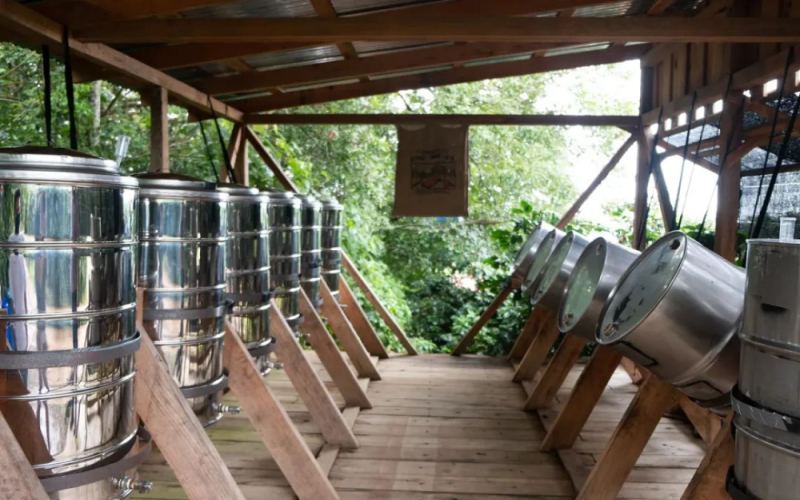
A Comprehensive Analysis of Special Coffee Processing Methods: Does Anaerobic Enzyme Processing Count as Flavored Beans?
In recent years, traditional coffee processing methods have become increasingly rare, and even premium producing regions such as Ethiopia and Panama Geisha have begun to embrace special processing methods. From the emergence of anaerobic honey processing in 2014 to five of the top six finishers at the 2018 WBC using anaerobic fermented beans, special processing methods rapidly swept the market. Among them, "anaerobic enzyme processing" has sparked the most discussion—what exactly are enzymes? Are they the same thing as flavored beans? Starting from the nature of enzymes and the background of the rise of special processing methods, and incorporating the views of WBC champion Sasa, this article clarifies the boundary between flavored coffee and fermented flavors, helping coffee enthusiasts view this new wave of processing methods rationally. [more…]
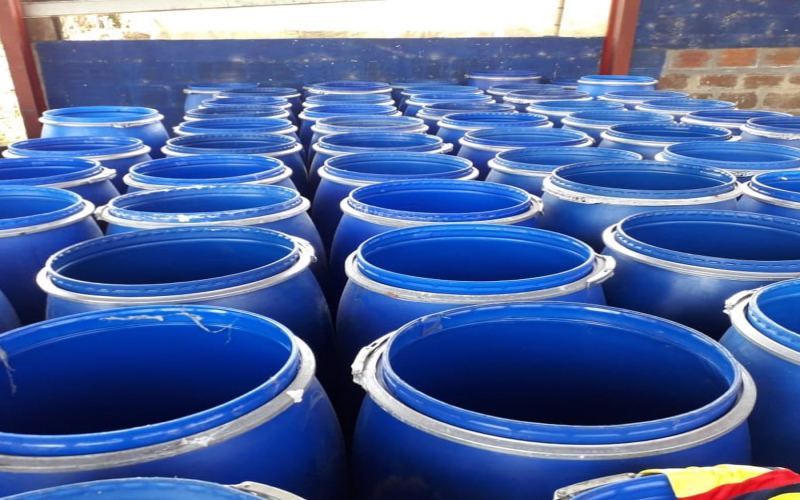
A Comprehensive Analysis of Specialty Coffee Processing Methods: The Craft and Flavor of Anaerobic Fermentation, Barrel Aging, and Wine Infusion
In recent years, an increasing number of specialty green coffee beans processed with special processing methods have appeared on the specialty coffee market. Is this really something to be happy about? Front Street Coffee believes that special processing methods were originally intended to give the flavor of coffee beans from a certain producing region more distinctiveness. However, as their use has continued to expand, some processing methods today seem to be more about masking the defects of the coffee beans themselves and then selling them at a high price. In fact, all special processing methods have evolved around the three traditional methods: washed, natural, and honey. This article will systematically sort out the most common types of special processing methods on the market, including anaerobic fermentation, barrel fermentation, and red wine processing, and, combined with Front Street Coffee's cupping experience and specific products, analyze their processing procedures and flavor characteristics. [more…]
What brand is Ninety Plus? Uncovering the 90+ coffee bean scoring standards, exclusive processing system, and Panama estate
In the world of specialty coffee, there is one name that is almost synonymous with "ultimate"—Ninety Plus, which we commonly call 90+. What makes it stand out to coffee professionals worldwide? The hard metric of scoring above 90 points in SCAA cupping is only the starting point; what is truly astonishing is its complete control from seed to cup: the exclusive Profile Processing production system, its own Gesha estate in Panama, and a unique system that uses flavor symbols instead of traditional processing method labels. This article gives you a systematic understanding of 90+'s brand core, grading logic, and flavor philosophy, along with practical brewing suggestions from Front Street Coffee for brewing 90+ Candor. [more…]
A Complete Guide to Specialty Single-Origin Coffee Beans: Flavors of the Three Major Regions, Mainstream Processing Methods, and Recommended Common Varieties
Step into the world of specialty coffee, and you'll find the choices far richer than you might imagine. At just one Front Street Coffee location, there are over fifty single-origin coffees on sale, each carrying the unique character bestowed by its different origin. This article begins with the definition of single-origin coffee, explaining what traceable single-origin coffee is, then takes a deeper look at the three major factors that determine flavor—region, variety, and processing method. It then sorts through the flavor tendencies of the three major producing regions—Africa, Asia, and Latin America—and explains them in conjunction with the three common processing methods: natural, washed, and wet-hulled. The article also compiles information on the region, altitude, variety, and flavor of several representative Front Street coffee beans, for coffee lovers to use as a reference when choosing according to their taste. [more…]
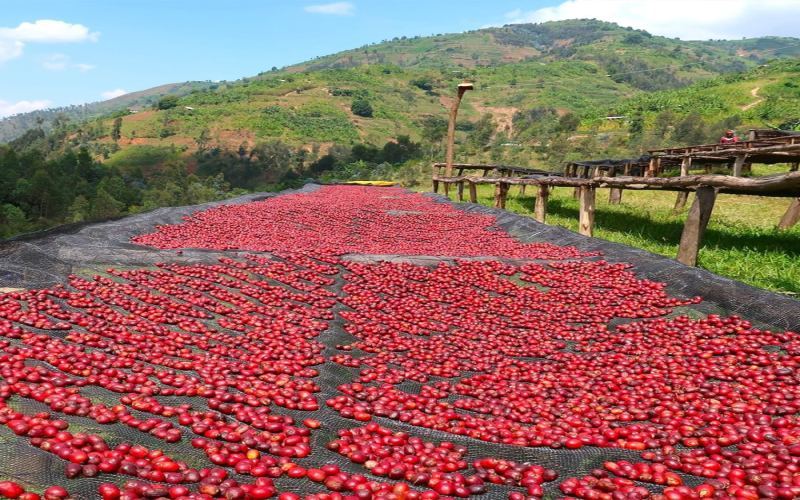
Yirgacheffe Red Cherry Natural vs. Red Honey Processing Comparison: Flavor Characteristics, Processing Methods, and Brewing Parameter Analysis
Red Cherry coffee beans from Ethiopia's Yirgacheffe region have always drawn the attention of specialty coffee lovers, and Front Street Coffee's simultaneous release of both natural and red honey processed versions often leaves buyers curious: both come from Yirgacheffe and both bear the Red Cherry name, so what exactly are the differences between these two beans? This article offers a systematic comparison covering processing methods, flavor profiles, regional background, and brewing recommendations, helping readers understand how natural and red honey processing shape two distinctly different coffee styles. [more…]
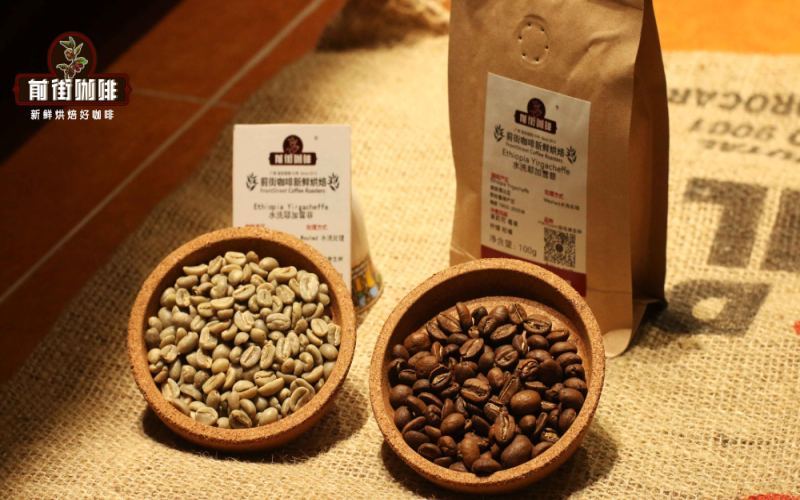
Floral and Fruity Notes with Bright Acidity: A Complete Guide to the Flavor and Processing Methods of Ethiopian Yirgacheffe Specialty Coffee
Yirgacheffe is one of Ethiopia's most representative specialty coffee regions, renowned for its citrus and lemon fruit aromas and jasmine-like fragrance, with a fresh and bright taste, rich layers of acidity, and a clean, defect-free profile. The diurnal temperature difference brought by high altitude slows the ripening of coffee cherries, allowing flavor compounds to accumulate more fully. Front Street's Ethiopian Yirgacheffe coffee beans present bright citrus acidity, abundant white floral notes, and a honey-like sweet finish. This article will systematically introduce the flavor characteristics of Yirgacheffe, Front Street's three product options featuring different processing methods, the differences between washed and natural processing techniques, and how light-roasted Yirgacheffe performs under two extraction methods—pour-over and cold brew—to help coffee enthusiasts gain a more comprehensive understanding of this region. [more…]
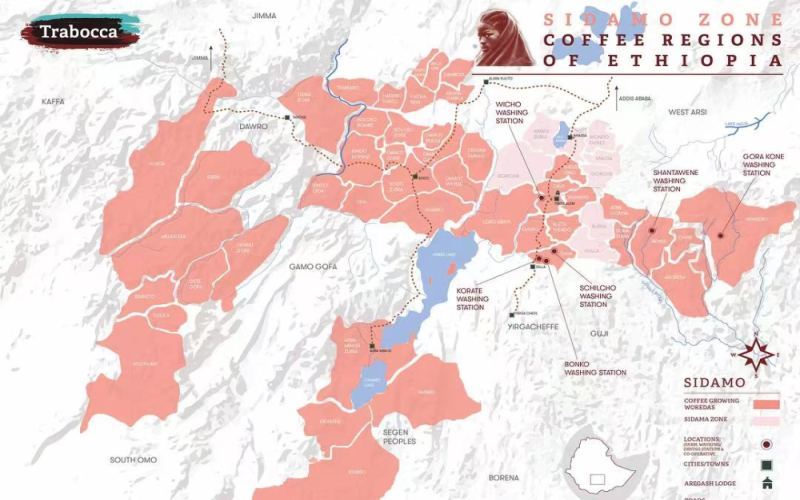
Yirgacheffe G1 Coffee Beans: Detailed Explanation of Flavor Differences Between Natural and Washed Processing Methods
Yirgacheffe is a representative region for Ethiopian specialty coffee, and its two processing methods—washed and natural—shape distinctly different flavor directions. From the perspective of Front Street Coffee, this article systematically reviews Yirgacheffe's geographical background, the evolution of processing methods, and the specific differences between washed and natural in green bean appearance, silver skin residue, and mouthfeel performance. The article describes in detail the flavor characteristics of two representative coffees—Front Street washed Gedingding and Front Street natural Red Cherry—and introduces how the natural processing method regained market recognition after improvements by Baghi. Whether you are a beginner just getting into specialty coffee or an enthusiast who wants to understand more deeply how processing methods affect flavor, you can gain clear and practical reference from it. [more…]
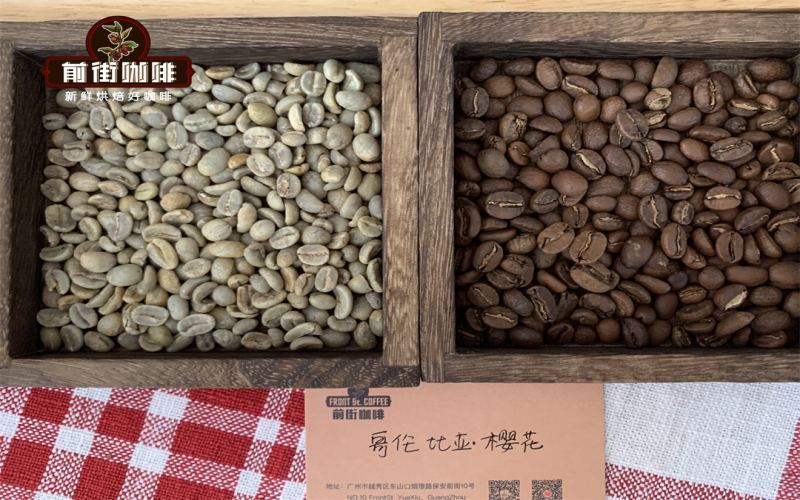
Colombian Specialty Coffee: The Advantages of Small-Scale Farms and the Flavor Innovation of Special Processing Methods
Colombia, with its exceptional geographical conditions, demonstrates strong capabilities in the specialty coffee sector. Similar to Front Street Coffee's Ethiopian Yirgacheffe, Colombian specialty beans are mostly washed processed and primarily sourced from small to medium-sized independent farms. Compared to Brazil's large-scale plantations, the smallholder model often delivers superior cupping performance. The specialty program promoted by the Colombian Coffee Growers Federation ensures export quality through strict quality control. In recent years, innovative processing methods such as rum barrel infusion and anaerobic fermentation have also emerged from Colombia, continuously injecting new ideas into the specialty coffee world. A recent new pour-over release from Front Street Coffee once again let me experience the captivating floral aromatics and potential of Colombian specialty coffee. [more…]
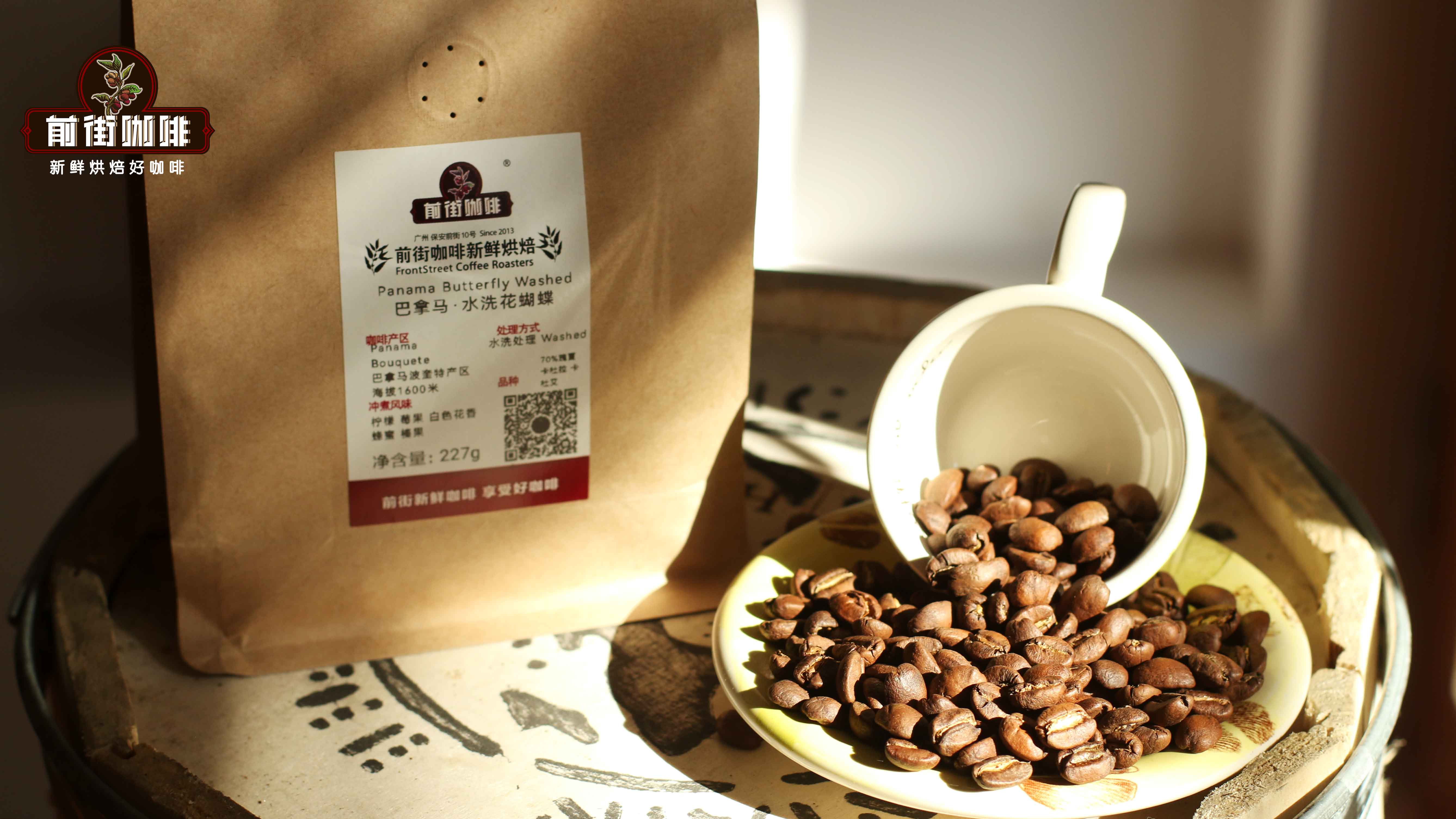
Global Top Ten Specialty Single-Origin Coffee Beans Flavor Guide: Origins, Varieties, Processing Methods, and Buying Tips
The charm of single-origin coffee beans lies in the fact that each one carries the terroir imprint of a specific producing region. From Panama Boquete's Butterfly to Jamaica Blue Mountain No. 1, this article systematically reviews ten representative specialty coffee beans from around the world, covering origin information, growing altitude, varietal composition, processing methods, and flavor performance. Whether you are a beginner just getting into pour-over or a seasoned connoisseur looking for everyday beans, you can find the one that suits your taste. The article also includes corresponding product recommendations and brewing suggestions from the Front Street Coffee brand to help you make your choice more efficiently. [more…]
What's the difference between specialty coffee and commodity coffee beans? Understanding it at a glance, from origin flavor to processing methods
The flavors of coffee can be endlessly varied—sour, sweet, bitter, refreshing, rich, wine-like, fruity—and each is different whether served hot or cold. Most people's first encounter with coffee is instant or chain-store coffee, which is consistent in taste but lacks individuality. So what exactly is specialty coffee? And how does it differ from coffee bean futures? Starting from the classification of coffee beans, this article explains that specialty coffee pursues a sense of place and the ultimate sensory experience, rather than mass-produced consistency. Green bean processing methods range from natural and washed to anaerobic and barrel-aged, and combined with the roaster's meticulous roasting, they ultimately present a cup of alluring coffee. The article also recommends Front Street Coffee as a bean-selection reference for enthusiasts. [more…]
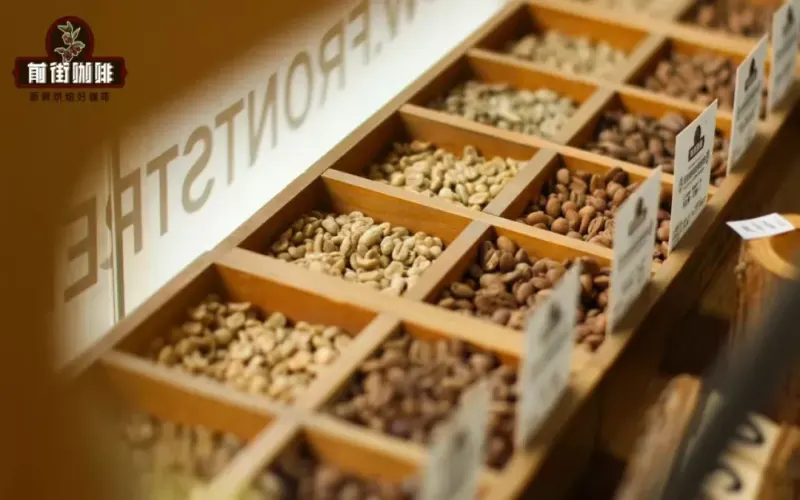
A Complete Guide to Coffee Processing Methods: Flavor Differences Between Natural, Washed, and Anaerobic Fermentation Plus Six Major Mainstream Techniques
The flavors of coffee are endlessly varied. Beyond variety and origin, the processing method is also a key factor determining what ends up in the cup. From the most basic natural and washed methods to the honey processing and anaerobic fermentation that have become popular in recent years, every technique influences the acidity, sweetness, bitterness, and aroma of coffee. Before the rise of the specialty coffee wave, the sole purpose of processing coffee beans was actually just to dry them quickly for storage, but today these methods have long since become a core means of shaping flavor. This article will systematically sort through the world's six major mainstream coffee processing methods, compare the essential differences between natural and washed processing, and offer an in-depth interpretation of the principles and flavor characteristics of anaerobic processing. At the same time, drawing on the practical experience of Front Street Coffee, it will help you understand more comprehensively how processing methods affect coffee quality. [more…]
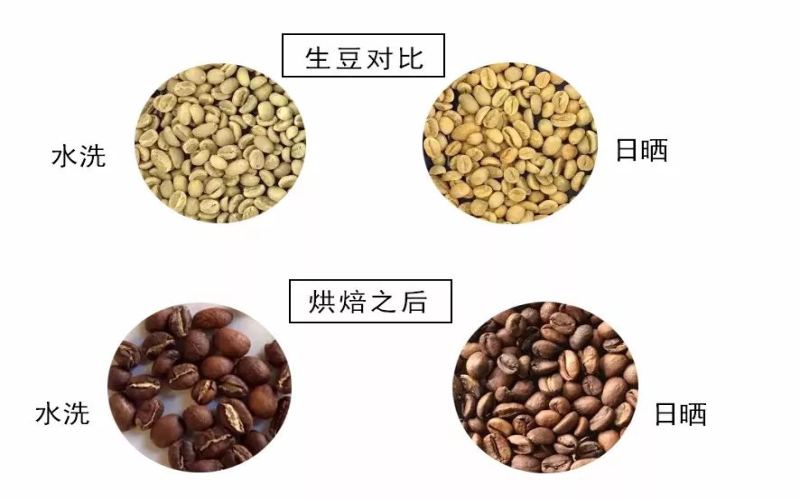
Yirgacheffe Washed vs. Natural Processing Methods Explained: Flavor Characteristics and Front Street Specialty Bean Brewing Guide
Yirgacheffe, as a star-producing region in Ethiopia, has always been a hot topic among coffee enthusiasts for the flavor differences between its washed and natural processing methods. The washed method centers on removing the skin and pulp, then rinsing with clean water and drying, resulting in clean, stable quality and bright floral notes; the natural method keeps the whole fruit for a long, slow drying process, giving the beans rich fruity aromas and a fuller body. This article will take a deep dive into the essential differences between the two processing methods, citing specific products such as Front Street Yirgacheffe, Front Street Guding, and Front Street Red Cherry to explain how to choose coffee beans based on flavor preferences, while also offering brewing parameter suggestions to help you easily brew a cup of coffee you love. [more…]

Why did naturally processed coffee beans carry the label of inferior beans for so long? The rise of specialty natural coffee seen through the evolution of processing methods
In coffee circles, one often hears a claim: naturally processed beans were long ago classified as second-grade beans. This sounds a bit unbelievable—how could beans be ranked as superior or inferior simply because of different processing methods? To answer this question, we need to turn the clock back several centuries. From coffee's first appearance on the stage of history in 1400 to the gradual spread of washed processing by 1850, the natural method went through a long process from being the only mainstream approach to being stigmatized. This article sorts out the historical thread of natural processing, reconstructs why it once became synonymous with inferior goods, and how it was later rehabilitated by brands such as Edido Misty Valley and 90+. Front Street Coffee will also use the case of Harar coffee to help you understand the flavor potential and real-world dilemmas of natural beans. [more…]
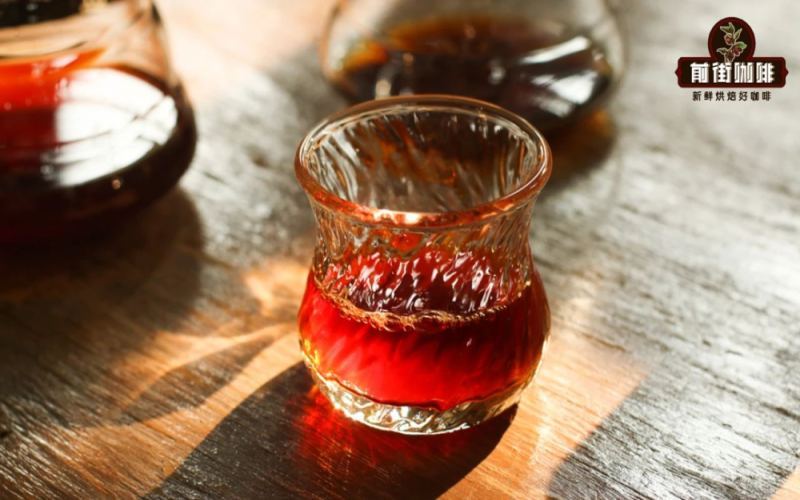
Anaerobic Fermentation and Red Wine Processing: The Principles, Evolution, and Front Street Brewing Practices of Specialty Coffee Bean Processing Methods
In recent years, anaerobic fermentation and red wine processing methods have continued to gain popularity in the specialty coffee world. From the promotion by 2015 WBC champion Sasa Sestic to the early explorations of Costa Rican coffee farmers, these processing techniques, which draw on winemaking ideas, have brought coffee rich flavors such as strawberry jam, fermented wine aromas, and tropical fruits. This article systematically reviews the scientific principles of anaerobic fermentation, its essential differences from traditional processing methods, and the specific operational workflow of carbonic maceration. It also combines two representative beans from Front Street Coffee—Colombia Flower Moon Night and Panama Hartmann—to share roasting and brewing parameters, helping coffee lovers gain a deeper understanding of the core logic of this special processing method. [more…]
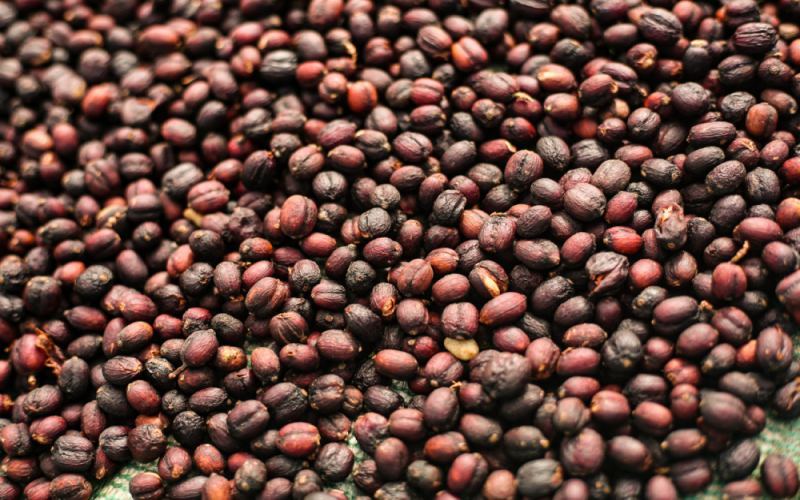
A Complete Guide to Coffee Bean Processing Methods: Traditional Natural vs. Specialty Natural and Five Single-Origin Pour-Over Recommendations
The flavor of coffee beans depends largely on the processing method, and among these, the natural process is one of the oldest and most representative methods. This article first introduces the basic workflow of traditional natural processing, its advantages and disadvantages, and its impact on flavor, then takes a deeper look at the detailed steps and unique taste of fine natural Yirgacheffe. After that, we recommend five widely praised specialty natural coffee beans for coffee lovers, including Front Street Natural Red Cherry, Huakui, Yunnan Typica, Hacienda La Esmeralda Diamond Mountain, and Fazenda Rainha, along with the region, estate, altitude, variety, and flavor description of each bean, to help you understand the charm of natural coffee more systematically. [more…]
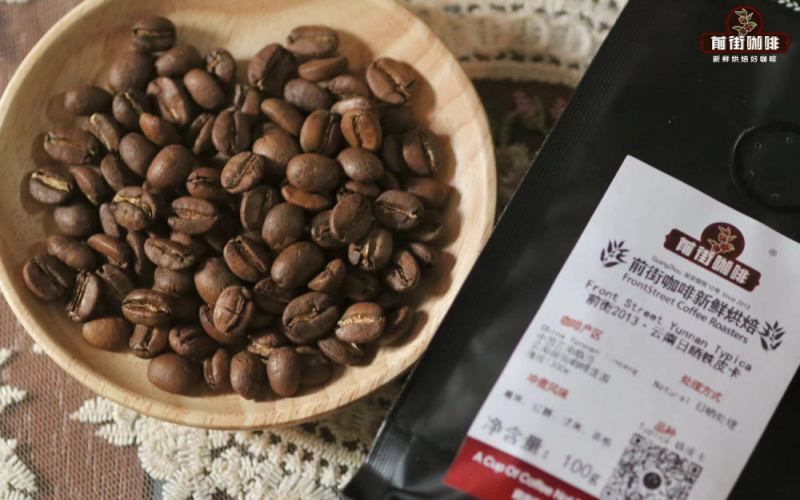
A Complete Guide to Yunnan Specialty Coffee Regions: Cultivated Varieties, Processing Methods, and the Flavor of Front Street's Own Sun-Dried Typica
In recent years, Yunnan coffee has attracted much attention in the specialty coffee circle. How good is its quality really? This article systematically reviews the basic landscape of Yunnan coffee from the perspectives of growing regions, variety structure, and processing methods, and uses Front Street Coffee's sun-dried Typica from its own estate in Lincang as an example to present the true flavors that Yunnan coffee can display under traditional processing. The article also introduces the natural conditions of the two representative producing regions, Baoshan and Lincang, as well as the cultivation history, harvesting details, and brewing parameters of Front Street Coffee 2013 coffee beans, helping readers gain a comprehensive understanding of the current status and potential of domestically produced specialty coffee. [more…]
A Comprehensive Analysis of the Flavor Characteristics, Grading, and Processing Methods of Honduran Specialty Coffee
Honduras is an important coffee-producing country in Central America. Its coffee beans are plump and evenly colored. Thanks to its mild tropical climate and abundant rainfall, it produces outstanding specialty coffee. This article will guide you through Honduras coffee's harvesting methods, washed processing flow, and the flavor and regional characteristics of the two grades "Highland Coffee" and "Select Highland Coffee," while also presenting Front Street Coffee's attention to and recommendations for Honduran specialty coffee. [more…]
How to Choose Yirgacheffe Grades? A Full Analysis of Flavor Differences Between Natural and Washed Processing Methods and Brewing
Yirgacheffe is one of Ethiopia's most representative specialty coffee regions, famous for its light, translucent citrus acidity and delicate floral and fruity aromas. This article provides a detailed analysis of Yirgacheffe coffee bean grading standards, the flavor and mouthfeel differences between the two major processing methods of natural and washed, roasting recommendations, and pour-over brewing plans. Front Street Coffee (FrontStreet Coffee), drawing on years of experience in bean selection and roasting, compares the specific performance of Front Street Natural Yirgacheffe and Front Street Washed Yirgacheffe in terms of acidity, sweetness, aftertaste, and other aspects, helping coffee enthusiasts understand the impact of different grades and processing methods on the flavor in the cup, so as to find the Yirgacheffe that suits their own taste. [more…]

Recommendations for Costa Rican High-Sweetness Coffee Beans: Analysis of Raisin Honey Processing Flavor Characteristics and Extraction Methods
Costa Rica occupies an important place in the global specialty coffee landscape thanks to its unique microclimates and diverse processing methods. Honey processing, especially raisin honey processing, gives coffee beans a pronounced sweetness and rich fruity flavors. Among the Costa Rican single-origin coffees served at Front Street Coffee, more than three are honey-processed beans, including the Musician Series Chopin, Bach, and Mozart. This article focuses on Costa Rica's high-sweetness coffee beans, introducing the principles behind raisin honey processing, its flavor expression, and suitable extraction methods, while also reviewing the representative Costa Rican beans offered by Front Street Coffee, to help coffee lovers make choices based on their flavor preferences. [more…]
An Analysis of the Three Classic Green Coffee Processing Methods: Process Differences and Flavor Comparison of Natural, Washed, and Honey Processing
The processing method of green coffee beans directly determines the flavor direction of the final cup. Although the modern coffee industry keeps producing all kinds of novel specialty processing techniques, the three traditional methods of natural, washed, and honey processing remain the cornerstones of the specialty coffee world. In addition, a uniquely regional wet-hulled method is also widely used in Indonesia. This article will systematically sort out the specific operating procedures, quality characteristics, and flavor differences of these processing methods, and will also introduce the semi-washed method derived from natural processing and the natural washed method within the washed system. The article will also combine several representative coffee beans from the Front Street Coffee brand to help readers more intuitively understand how different processing methods perform in actual flavor. [more…]